What Is Corporate Travel Management?
15.03.2026 17:23
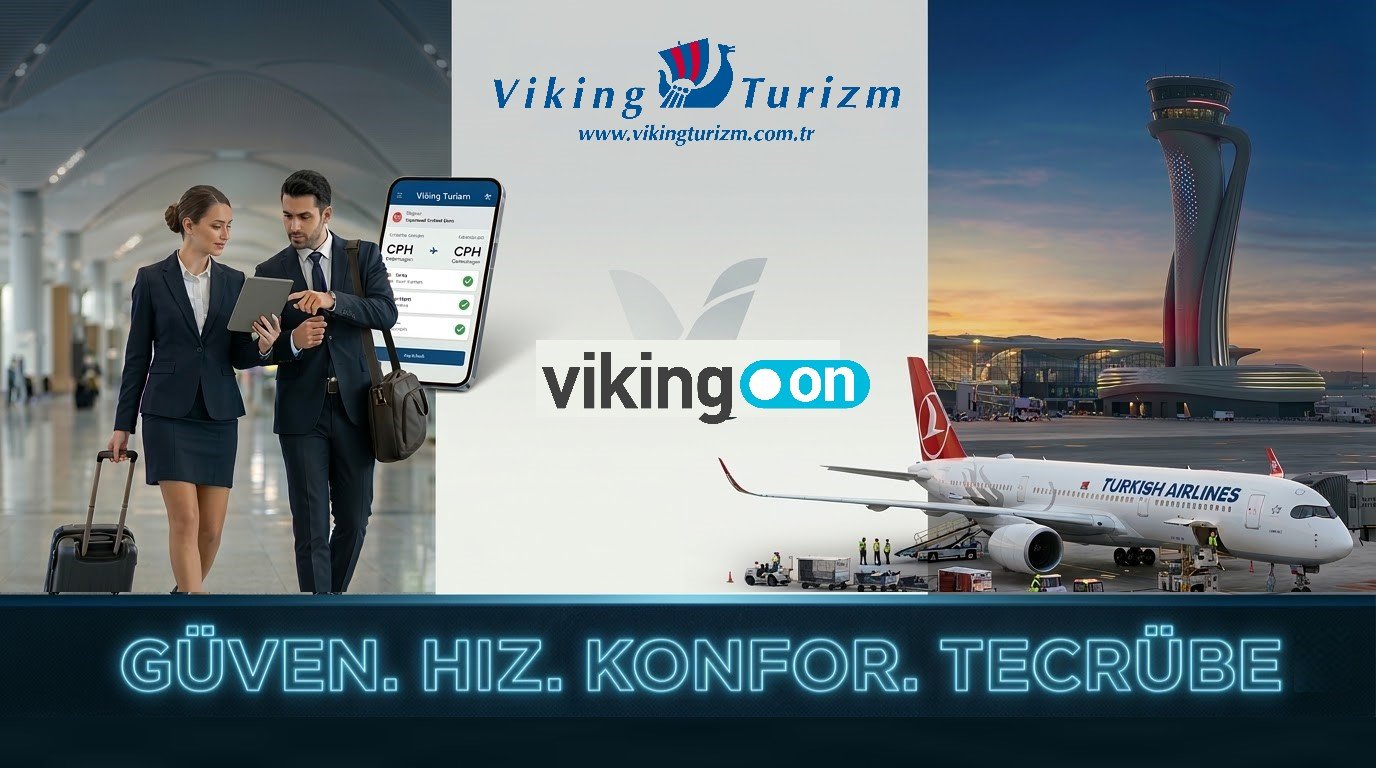
Learn how to optimize your business travel budget through cost control, corporate travel portals, and traveler safety management.
What Is Corporate Travel Management? A Guide to Cost Control, Safety, and Visibility for Companies
Corporate travel management is much more than simply booking flights and hotels for a company’s business travel. When implemented correctly, it brings together cost control, travel policy compliance, employee safety, visa coordination, reporting, and supplier management under a single framework. Today, companies need more than a booking tool—they need a modern corporate travel portal that makes every stage of the travel process visible and manageable. This approach is clearly reflected in Viking Tourism’s solutions, which emphasize end-to-end travel management and reporting rather than ticketing alone.
One of the biggest mistakes companies make is treating business travel management as a simple operational task instead of a strategic procurement function. In reality, the true cost extends far beyond the ticket price. Inappropriate fare class selection, last-minute itinerary changes, off-platform bookings, fragmented invoicing, poor cancellation and refund tracking, and weak approval workflows all increase the total cost of travel. As highlighted in Viking Tourism’s cancellation and refund guide, decisions that appear inexpensive in the short term can significantly increase overall costs when a professional corporate travel portal is not in place.
The second critical aspect is safety. As emphasized in 2026 risk projections, many companies are unable to effectively monitor business travel that takes place outside approved systems, creating serious duty of care risks during emergencies. Corporate travel management enables organizations to know where employees are, respond quickly in emergencies, and ensure all travel remains within company policy.
An effective corporate travel management model combines five essential components:
- A booking workflow aligned with the company’s travel policy.
- Approval workflows and budget control.
- Operational support for visas, hotels, transfers, and group travel.
- Rapid response to itinerary changes, cancellations, and crises.
- Management reporting and complete expense transparency.
Does your company organize dozens of business trips every month, while flight tickets are still purchased individually? Corporate airline ticketing is designed to solve exactly this problem: centrally managed flight bookings purchased on behalf of employees through negotiated corporate rates.
The difference from individual ticket purchases goes far beyond price. Under the corporate model, all travel expenses are controlled from a single point. Negotiated fares reduce the cost per ticket, while flexible change and cancellation policies make last-minute itinerary changes much easier to manage without unnecessary penalties. The greatest advantage lies here: with individual bookings, each employee makes independent purchasing decisions and the company spends the end of the month collecting invoices. With a corporate travel model, purchasing, approvals, and reporting are integrated into one streamlined process.
Corporate travel management is no longer limited to booking flights. According to Viking Tourism’s 2026 risk analysis, it has become a critical component of enterprise risk management. Currency fluctuations, airline policy changes, and last-minute cancellations directly affect companies that lack structured travel processes.
This guide covers the following key topics:
- Practical methods for reducing airline ticket costs
- How to create a corporate travel policy tailored to your organization
- An objective comparison between travel agencies and online booking platforms
- How approval workflows and spending limits work in practice
- Strategies for integrating corporate hotel bookings and airline ticket management
Corporate airline ticket procurement affects much more than airfare. It directly influences employee productivity, expense transparency, and the total cost of business travel. A well-designed corporate travel management system can generate significant annual savings on travel budgets.
This is where technology makes the difference. An advanced corporate travel portal such as VikingOn delivers on its promise: managing risk, improving traveler safety, providing analytics, enabling better planning, and reducing travel costs. When these benefits are demonstrated through practical examples rather than simply described, the content becomes more than a blog article—it becomes a high-converting landing page.
If each department in your company still organizes business travel independently, you do not have a booking problem—you have a visibility and control problem. The right corporate travel management strategy, supported by a modern corporate travel portal, does much more than reduce costs. It provides transparency, minimizes risk, improves the employee experience, and supports purchasing decisions with actionable data.
Contact Viking Tourism to design a corporate travel management model, reporting structure, and service framework tailored specifically to your organization.