Corporate Travel Management in the Energy Sector
01.04.2026 07:11
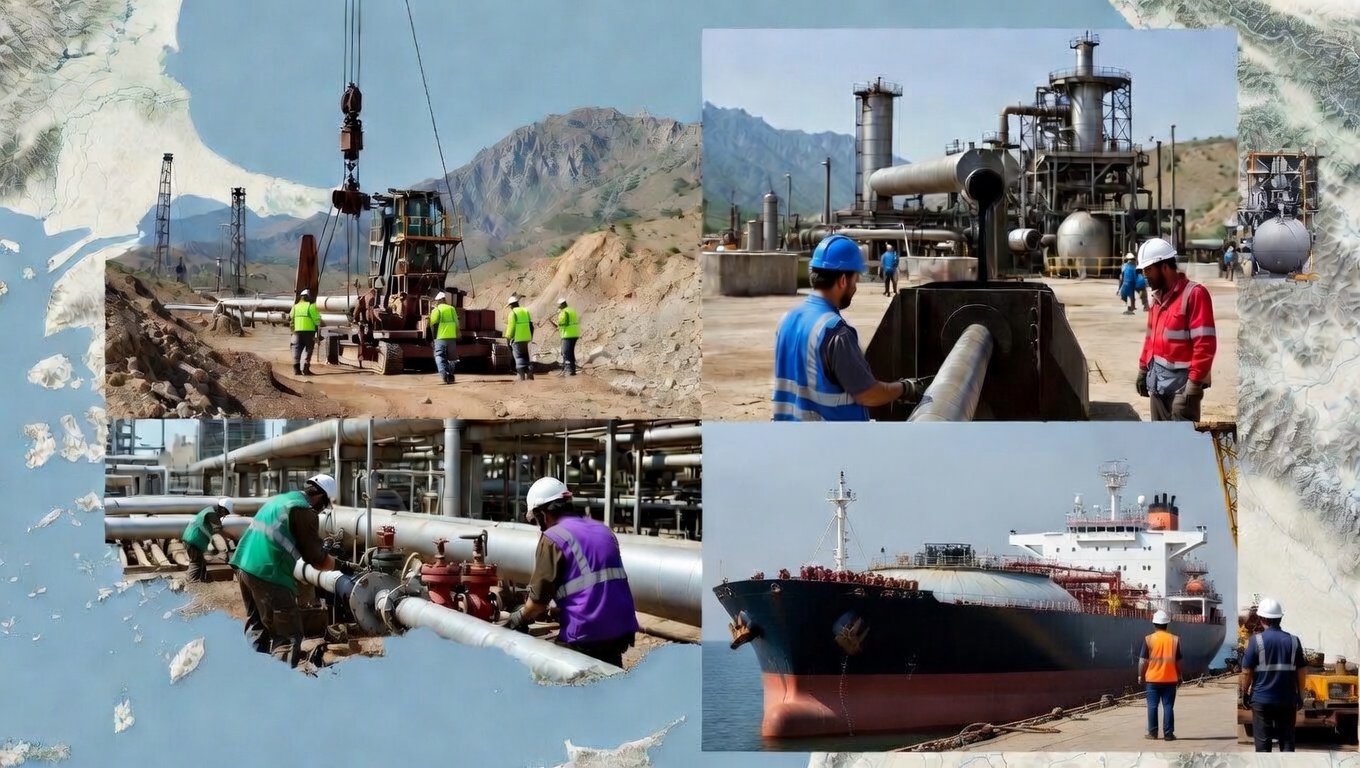
Content explaining why corporate travel management in the energy sector is critical in terms of rotation, employee comfort, allowances, and operational control.
Corporate Travel Management in the Energy Sector: Rotation, Comfort, Allowances and Operational Control
Travel in the energy sector is not just a standard reservation process. Field operations, maintenance teams, power plant visits, project-based assignments, domestic and international technical team movements, and rotational work structures make travel a direct part of operations. Therefore, corporate travel management is not only a transportation and accommodation organization process for energy companies; it is a strategic necessity that simultaneously manages operational continuity, employee comfort, cost control, data visibility, and allowance discipline.
Today, the issue in many companies is not the inability to make reservations, but the fragmented management of travel. Employees somehow reach the field; however, behind the scenes, manual operational workload increases, approval processes become difficult, data quality decreases, cost center allocations become complicated, and allowance processes become challenging. Especially in sectors like energy where mistakes are costly, this situation does not only create inefficiency; it also reduces operational quality.
Why Should Business Travel in the Energy Sector Be Managed Differently?
Business travel in the energy sector is different from office-oriented industries. The traveler often does not go to a meeting; they go to a field site, power plant, refinery, port, construction site, or technical assignment location. The goal is not only reaching a destination but ensuring that employees arrive ready for their duties.
Therefore, travel quality directly affects work quality. Unsuitable flight schedules, long waiting times, accommodation far from field locations, irregular transfer plans, or slow support structures during last-minute changes can quickly become operational problems in the energy sector. Traditional travel approaches are not sufficient here. What is needed is a corporate travel management approach that understands the industry.
Travel Planning in Rotational Structures Is Part of Operational Planning
In the energy sector, rotational work structures turn travel from an ordinary purchasing item into an operational requirement. The transportation of teams traveling to and from field locations at specific intervals is directly connected with shift schedules, operational continuity, and workforce planning. Therefore, rotation travel planning is not simply about finding the lowest-priced ticket.
A poorly planned route may appear economical at first glance. However, night arrivals, unnecessary connections, long waiting periods, and irregular transfers increase employee fatigue, disrupt operational rhythm, and create productivity losses in the long term. The right approach in the energy sector is to evaluate travel not only by cost but also by sustainability.
Employee Comfort Is Not a Luxury, It Is a Productivity Factor
Some companies still view travel comfort as an unnecessary expense. This perspective is incorrect, especially in the energy sector. Technical personnel, field teams, and rotational employees need a properly planned travel experience. Because exhausting journeys directly affect work performance the following day.
Comfort here does not mean luxury or extravagance. Practical flight schedules, suitable rest periods, hotels with easy access to field locations, reliable transfer chains, fast support when needed, and effective change management create true comfort in the energy sector. Proper business travel management treats employee experience not only as a satisfaction issue but also as a component of operational success.
Clean Data Is Essential for Allowance and Cost Control
Travel expenses in energy projects are generally not a single expense category. Due to project-based operations, cost centers, field codes, departmental distinctions, contractor relationships, and internal approval processes, each trip must be classified correctly. Otherwise, the problem grows after the reservation stage rather than during it.
If it is unclear which project a trip belongs to, which assignment an employee is traveling for, which budget should cover an expense, or which allowance category should include the cost, companies are forced to clean data retrospectively. This results in both time loss and increased risk of errors.
Therefore, in a strong corporate travel management structure; project codes, mandatory data fields, cost center information, field definitions, and reporting logic must be established correctly from the beginning of the process.
The Balance Between Online and Offline Structures Is Critical in the Energy Sector
Managing everything completely online is not always easy in the energy sector, just as leaving everything manual is not effective. This is because the nature of the industry includes both standard workflows and exceptional situations. Digitalization provides significant efficiency for repetitive, rule-based, and high-volume reservations. However, difficult-to-access field locations, multi-step rotations, last-minute changes, and critical assignments still require expert operational support.
Therefore, the most effective model is hybrid travel management. Technology accelerates routine processes, while human expertise steps in during complex and critical moments. This is exactly where VikingOn technology and Viking Turizm’s approach create value.
Technology, Experience and Trust Come Together with VikingOn and Viking Turizm
Effective travel management in the energy sector requires more than software alone. An operations team alone is also not enough. What is needed is a structure that combines technology with experience and reliable human support.
VikingOn provides a digital structure that makes companies’ travel requests, approvals, reservations, and reporting processes more controlled and visible; while Viking Turizm’s years of corporate travel experience completes this structure with real operational needs from the field. As a result, organizations do not simply use an online booking tool; they gain a flexible model supported by offline expert assistance when needed and designed to keep operations running smoothly.
In particular, this hybrid approach provides a critical advantage in the energy sector. Because some travel needs are standard and require speed. Others are complex and require direct expert intervention. VikingOn and Viking Turizm bring these two needs together under one structure:
speed when online, experienced human support when offline is required.
Emergency Support Is Not a Privilege but a Necessity in the Energy Sector
Travel plans in the energy sector do not always progress according to office schedules. Flights may change, shifts may move, field programs may extend, return dates may need to be brought forward, or unexpected operational requirements may arise. Therefore, building only a system is not enough; being reachable during critical moments is essential.
At this point, emergency support is a real operational safety element for energy companies. Enabling employees or operational teams to receive support whenever they need it creates a major difference in business continuity. Especially in time-sensitive assignments, an accessible support structure that provides solutions delivers significant value.
Transparency Is a Standard, Not a Choice in the Energy Sector
In the energy sector, trust is built not only through service quality but also through pricing and process transparency. Organizations want to clearly understand how travel costs are created, what is paid for each service, how data is reported, and which budget category each travel expense is assigned to. This expectation is entirely justified.
In Viking Turizm’s approach, transparency is not a marketing statement but a working standard. Clear pricing, service scope, operational workflows, and reporting provide confidence to organizations, especially for high-volume and project-based travel. Long-term partnerships in the energy sector can only be built on this foundation of trust.
The Point Where Years of Experience Meet Technology Creates Real Value
Some providers in the market offer only technology, while others only provide operational services. However, the model that creates real value in the energy sector is the one that combines years of industry experience with technology. Because energy companies need more than faster reservations; they need control, organized data, improved employee experience, and the ability to intervene instantly when required.
Viking Turizm’s expertise in corporate travel and VikingOn’s digital infrastructure are powerful for exactly this reason. Experience ensures that the system is designed according to real field requirements. Technology makes this experience scalable and measurable. The result is not merely a service; it is a manageable travel program.
Conclusion: The Right Travel Management Means Operational Strength in the Energy Sector
Corporate travel management in the energy sector is not only about organizing flights and hotels. It is a structure that supports rotation planning, prioritizes employee comfort, provides clean data for allowance processes, strengthens cost control, and intelligently combines online and offline processes.
What energy companies need today is not just a supplier that makes reservations; they need a true solution partner that provides trust, operates transparently, offers emergency support when required, and combines human expertise with technology.
The hybrid model offered by VikingOn and Viking Turizm stands out exactly here:
for a transparent corporate travel management approach shaped by technology speed, human support assurance, and years of experience, you can contact us.
Frequently Asked Questions
Why is corporate travel management different in the energy sector?
Travel in the energy sector differs from standard office travel as it includes field operations, power plant visits, rotational assignments, technical team movements, and project-based assignments. Therefore, travel management becomes critical not only for reservations but also for operational continuity, employee comfort, cost control, and data tracking.
What does hybrid travel management mean for energy companies?
Hybrid travel management is a model that combines an online reservation infrastructure with expert operational support when needed. While digital speed is provided for standard and repetitive travel, experienced team support is available for complex routes, last-minute changes, and critical assignments.
What does transparent travel management provide to energy companies?
Transparency means that pricing, service scope, service fees, data flow, and reporting are clear. This provides energy companies with stronger cost control, more reliable reporting, and stronger supplier relationships. Especially in high-volume and project-based travel, transparency is not a preference but a necessity.
What benefits does corporate travel management provide to energy companies?
A properly configured corporate travel management model increases operational efficiency, supports rotation plans, improves employee experience, reduces manual workload, provides clean data for allowance processes, and creates clearer control over travel expenses.